City of Orange
Did you know that the Netherlands was born in Delft?

The Netherlands as we know it today has its origins in Delft. In 1572, William of Orange, the 'Father of the Fatherland', came to the city to lead the revolt against Spanish rule from here. With success. His choices laid the foundation for the Netherlands as a parliamentary unitary state, with principles such as religious freedom and free speech.
That story comes alive again in Delft today. The musical Willem van Oranje provides a new starting point for many visitors to discover its history.
Delft, William of Orange and the Royal House
Delft and the House of Orange have been linked for centuries.
Back in time
Delft and the House of Orange have been linked for centuries. William of Orange came to live in Delft after his escape from Breda and stayed there until his death. Twelve years later, in 1584, he was assassinated here. Since then, Delft has also been the city where members of the Royal House are interred in the Nieuwe Kerk.
That historical connection is still visible everywhere in the city today. From churches and squares to stories still being told. Walk through Delft and discover why this city plays such a central role in Dutch history.
From historical figure to national myth
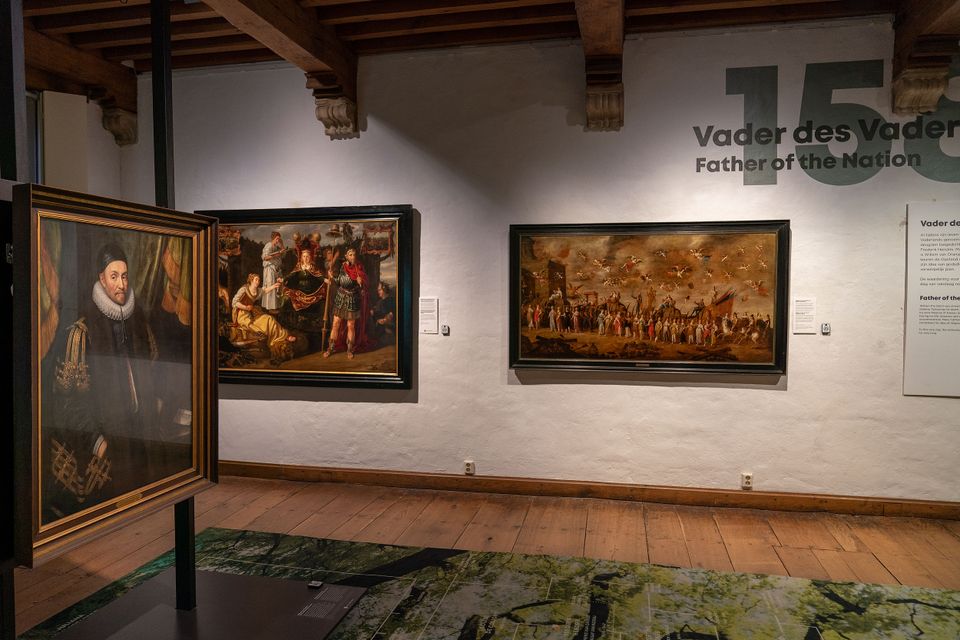
During the Eighty Years' War, William of Orange became the face of the revolt against the Spanish. In 1580, the Spanish king Philip II even promised a reward for whoever would kill him. After several failed attacks, William was shot dead in the Prinsenhof by Balthasar Gerards on 10 July 1584.
After his death, his reputation grew to mythical proportions. William of Orange became the symbol of freedom and resistance, an image that lives on to this day in Delft and far beyond.
Find out more about William of Orange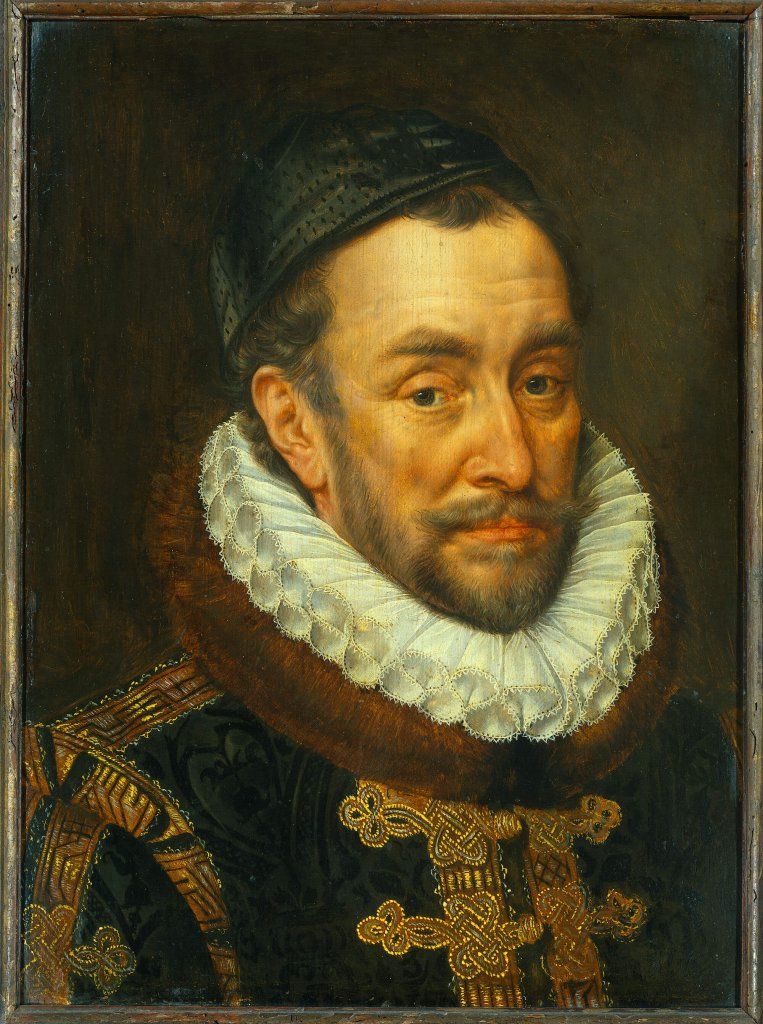
Orange spots in Delft
-
Orange walk
Orange walk
During this route, you will discover and admire Delft's rich Orange history. William of Orange is not only the 'Father of the Fatherland', but he was also very important to Delft

-
De Diamanten Ring
De Diamanten Ring
De Diamanten Ring used to be an inn. This is where the murderer of William of Orange, Balthasar Gerards, slept.

-
Het Steen city prison
Het Steen city prison
Take a look at the medieval prison Het Steen

-
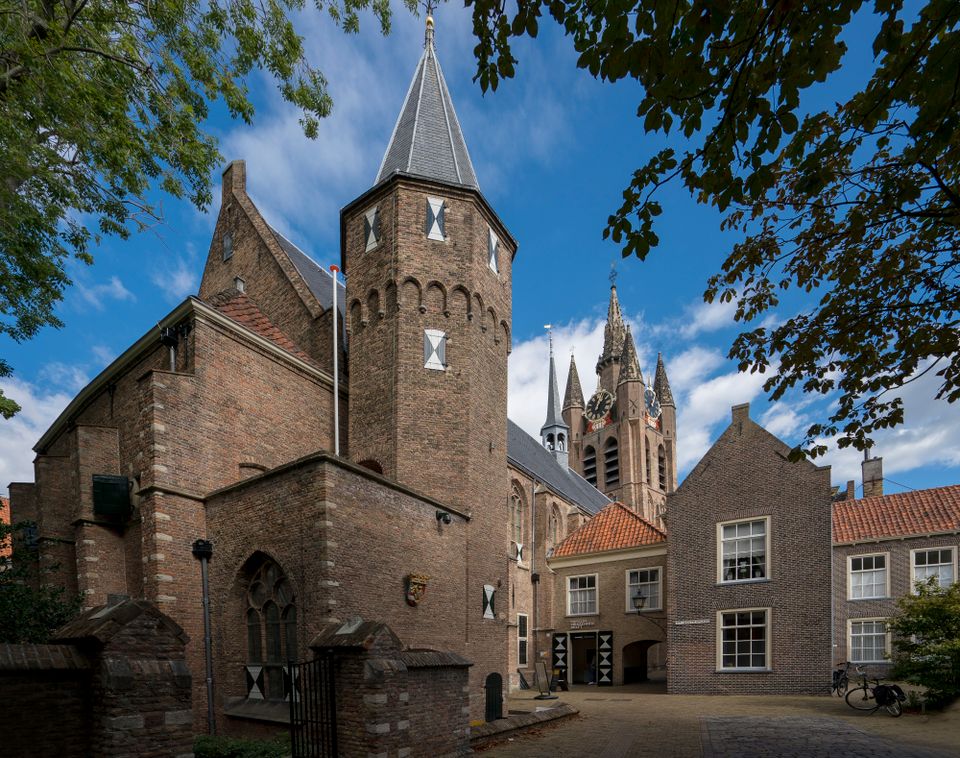
The Oude Kerk
The Oude Kerk
Discover the connection of the Oranges with the Oude Kerk Delft.

-
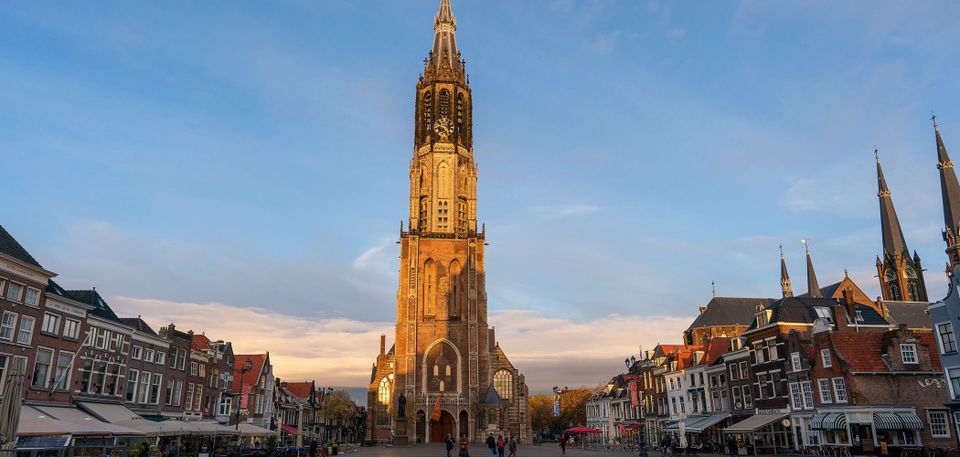
The Nieuwe Kerk
The Nieuwe Kerk
Here is the final resting place of William of Orange. Other members of the Royal House are also buried here.

Royal Delft Museum
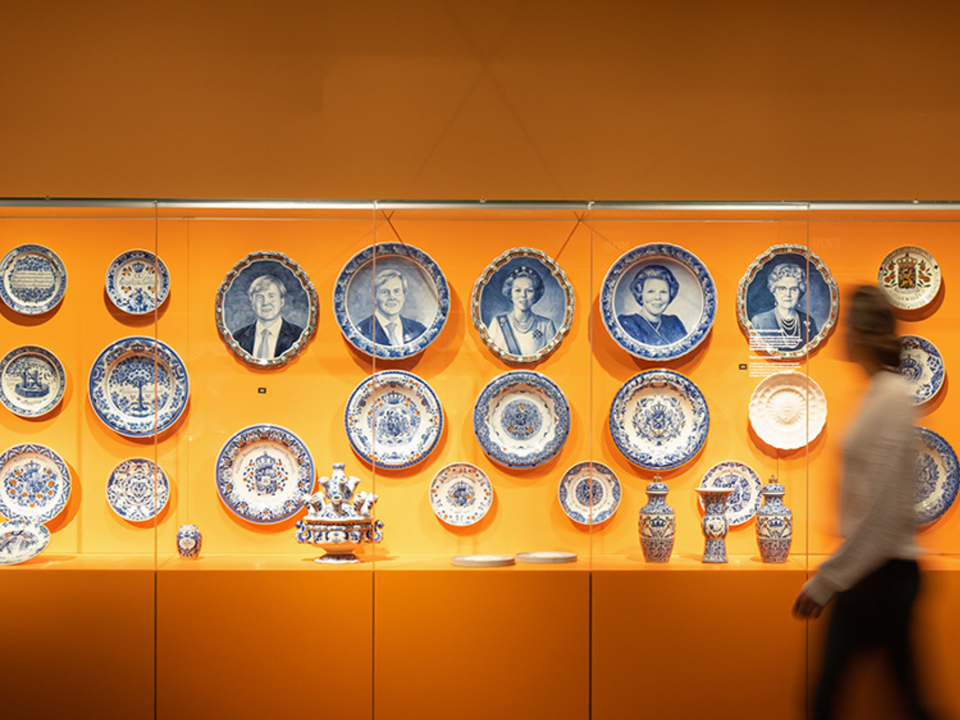
Discover the ceramic collection of the House of Orange-Nassau at the Royal Delft Museum.
At the museum, admire several masterpieces iconic to Delft Blue and the Royal Delft brand, including the blue and white tulip pyramid. During the Royal Delft Experience, discover the history and production process of Delft pottery. Finally, walk through the factory where you will experience the production process up close.
Discover more