Walking along the Delft courtyards
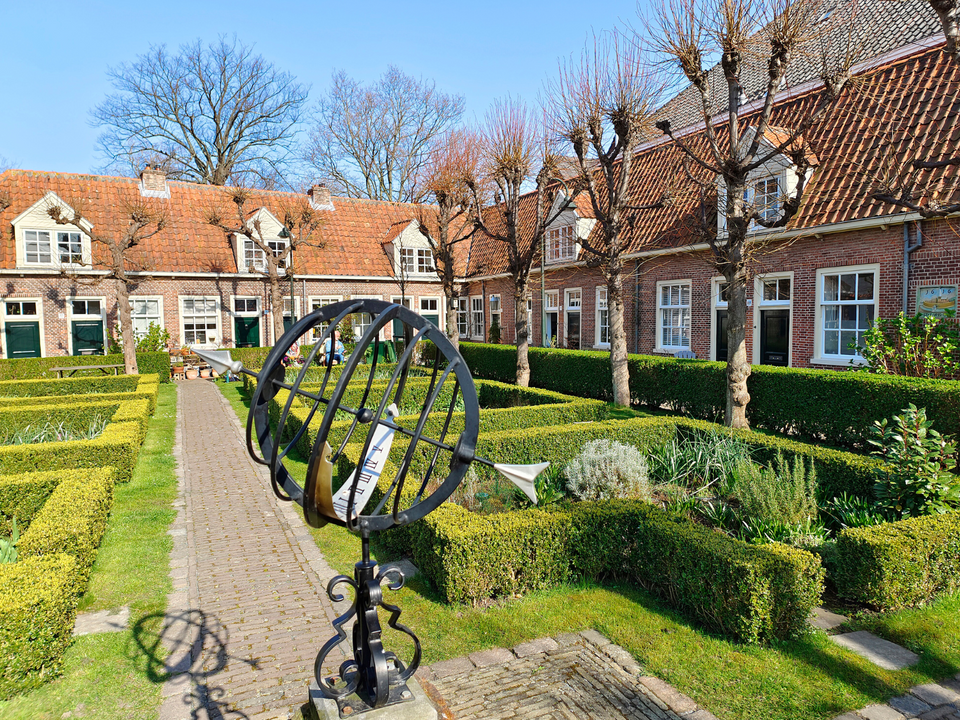
In Delft, you can admire beautiful historical almshouses. These hidden gems are sometimes well hidden and reflect history over the years. Walk through Delft, go back in time and discover the places where famous Delft painters got their inspiration.
Klaeuwshofje
Named after the brewery In De Claeuw, on the Koornmarkt, the Klaeuwshofje was founded in 1605 by the Uyttenhage van Ruyven couple. Often, hofjes are founded as a legacy of his or her founder, which is not the case with this hofje. In fact, this hofje was built when the couple was still alive. A lot has changed over the years, but there has always been a connection with the city; from the hofje you have a beautiful view of Delft's church towers.
Hofje van Gratie
Not much further away is the Hofje van Gratie. This hofje was for single women and elderly men, and was founded in 1571. By order of the mayor, six houses were built on the Geer in Delft in 1575. The houses and buildings were hit in 1654 by the 'Delft Thunderclap', the big explosion in the powder magazine. Since 1660, the hofje can be found on the Van der Mastenstraat where it now consists of seven houses. When you visit, you can also admire the old family crests.
Hofje van Pauw
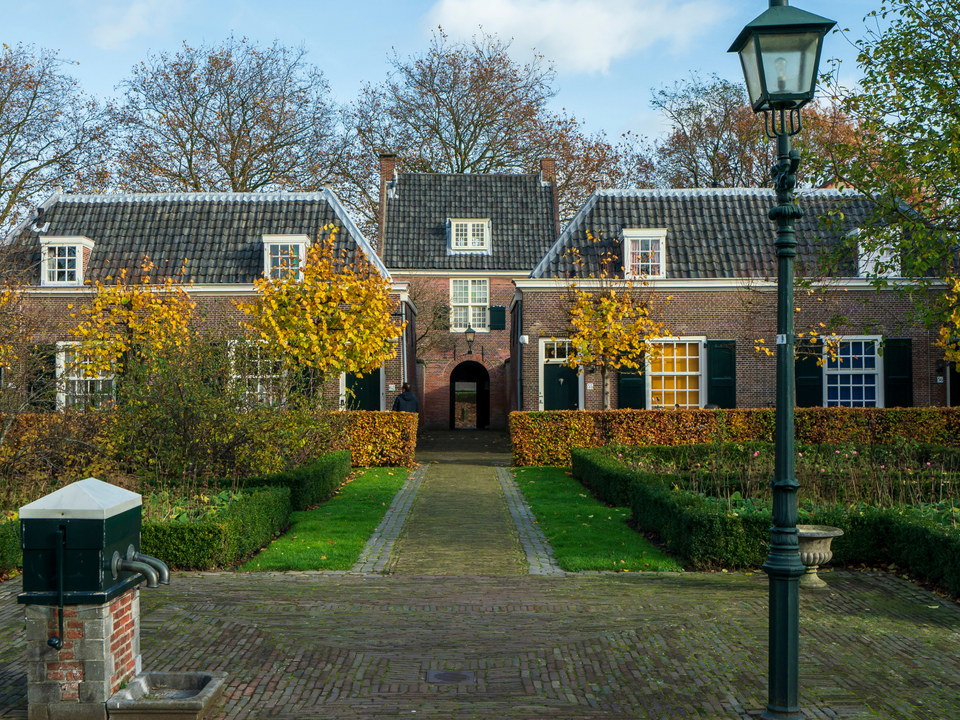
The hofje van Pauw was founded in 1707 by Elisabeth Pauw, who was married to mayor Johan van der Dussen. Because of three family capitals, a spacious monumental hofje could be built. The entrance to the hofje is a gatehouse containing a regent's room. This was a representative room where the board of the hofje met. In the garden, which is huge for a hofje, there is a mulberry tree that is 150 to 200 years old! Currently, the hofje has a beautiful function. It is dedicated to protective living for people with intellectual disabilities.
Bagijnhof
A special feature of het Bagijnhof is that its founders built the houses with their own capital. As a result, there is less unity than with the other hofjes. Because of its remote location, this hofje radiates a lot of peace and quiet and it used to be very safe here. Don't forget to take a look at the secret church at number 21!
Prinsenhof
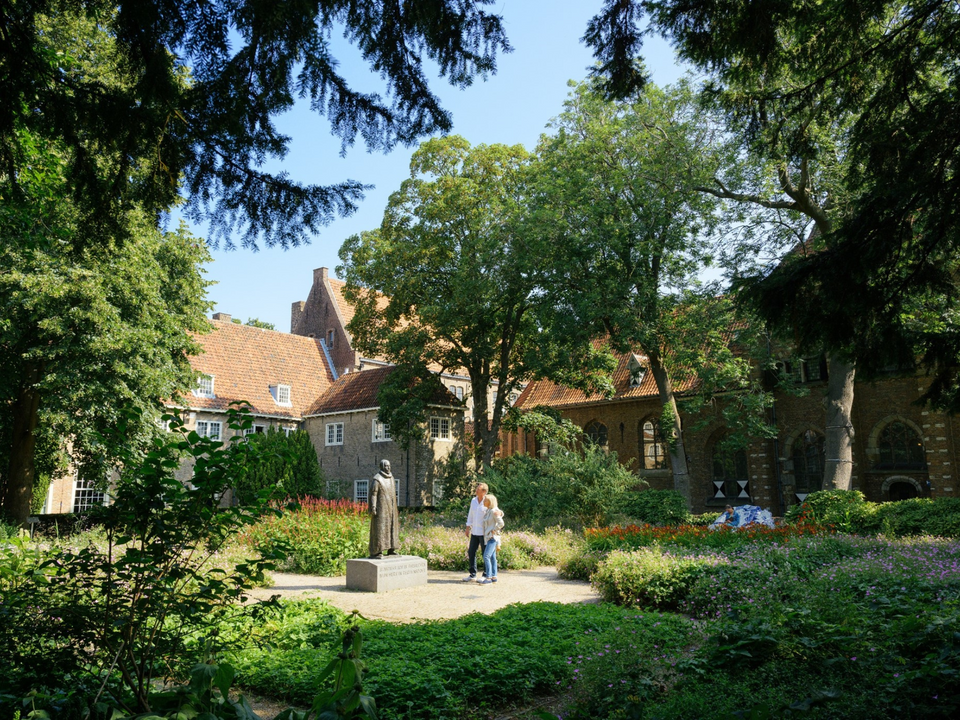
The Prinsenhof is perhaps the most famous almshouse in Delft. The former Agatha convent was the stadholder court of our 'Father of the Fatherland'
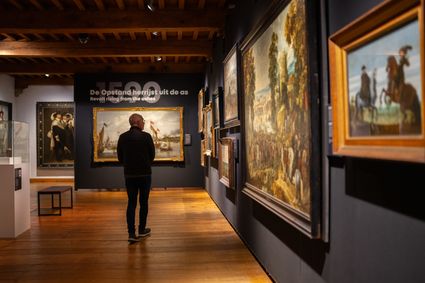
Willem van Oranje. The history of this hofje goes way back when it was, most likely, a medicinal convent garden. After that, it has had many different uses. Today, it is home to the Museum Prinsenhof Delft, the Prinsenkwartier and the old Dutch sweet shop Kouwenhoven.
Attention! Museum Prinsenhof Delft will be temporarily closed from 6 January 2025 due to renovation. For more information, visit the Museum Prinsenhof Delft website.
City walk along the Delft courtyards
Want to visit the hofjes and learn more about these beautiful, and sometimes hidden, gems? Then join a guided city walk. During a tour, you will learn even more about the origins of the almshouses. You can book the tour at Happy Day Tours or Gilde Delft.
Fun for you too!
-
5x admire churches in Delft
-
Vermeer walk in Delft
-
To the museum